
Pelvic health is essential for overall well-being, encompassing muscle strength, bladder and bowel control, sexual function, and pain management.
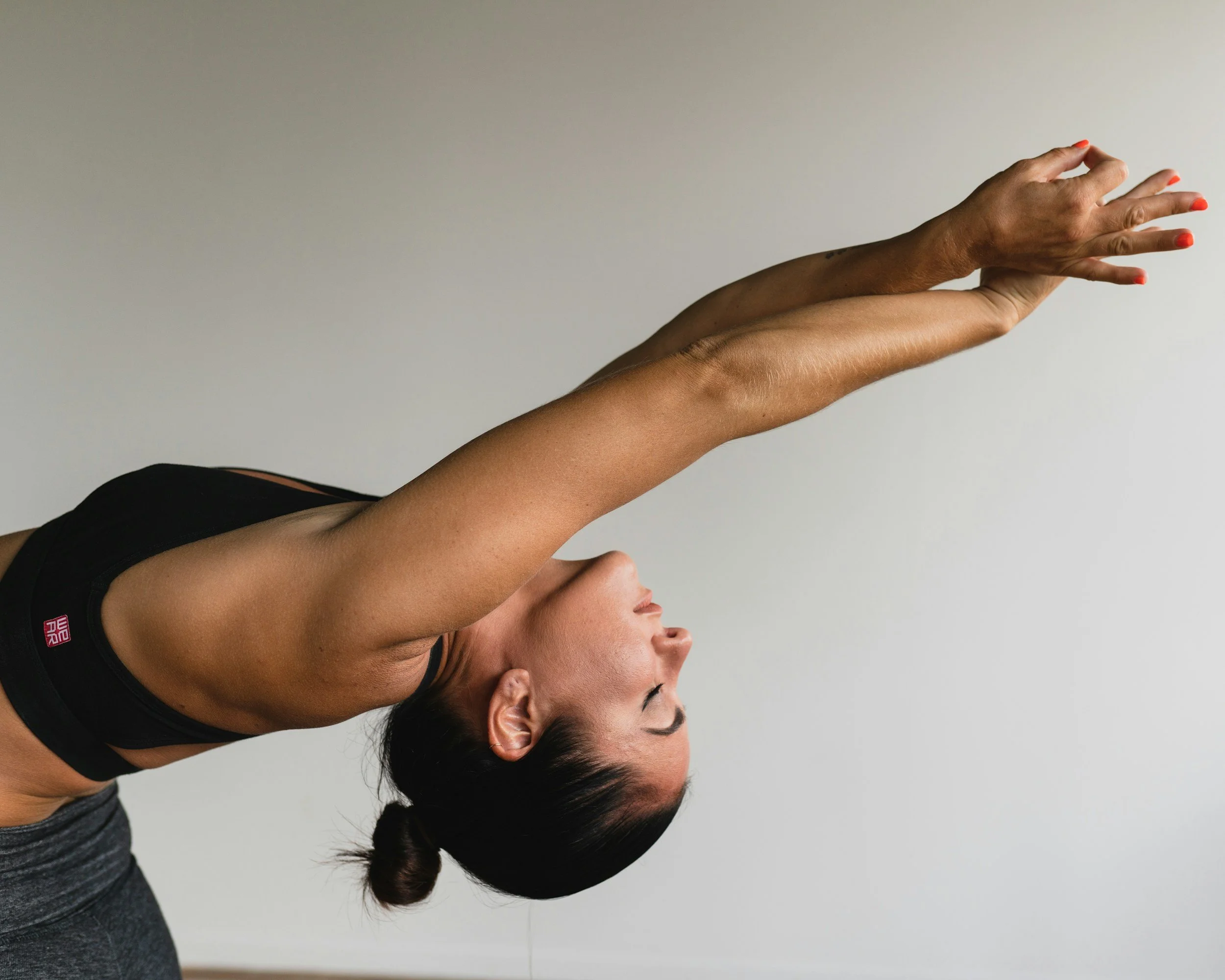
How I workPersonalised, expert care designed to bring you back to your best self
Comprehensive pelvic floor assessment
Pelvic health conditions are common but not normal. Up to 1 in 3 women experience some degree of pelvic floor dysfunction, often influenced by factors such as pregnancy, childbirth, peri-menopause, ageing, or increased BMI.
You may benefit from support if you’re experiencing any of the following:
Incontinence
Leak when you sneeze, laugh, or run
Prolapse
Pressure or heaviness ‘down there’
Overactive bladder
Rushing to the toilet (or not making it)
Painful intercourse
Pain during sex or when using tampons
Pelvic discomfort
Ongoing back, pelvic or hip pain
Expert clinical feedback & customised care plan
Many factors can contribute to pelvic health issues, which is why an individualised assessment with a specialist physiotherapist is advised.
With the right care and support, symptoms can often be significantly improved or reduced.
What can I expect?
Your session includes a one-to-one consultation (in person or online) lasting up to 60 minutes. We will discuss your symptoms, how long you have been experiencing them, and how they are affecting your daily life.
From there, I will provide appropriate treatment and guidance, which may include personalised exercise programmes, manual therapy, massage, pelvic floor neuromuscular stimulation, and discussing lifestyle factors that could be influencing your symptoms.
Empowerment and education
Sessions will also include:
Vaginal examination
(with consent and not always needed) We will carefully discuss whether this is relevant for you during your consultation
Summary of findings & diagnosis
What I find and what it means for you
Treatment plan
Practical guidance to help support your recovery in daily life
Exercise plan
Targeted functional exercises to improve strength, control, and confidence
Q&A
Answering any concerns you may have
in a supportive, unhurried space
Follow-up appointment
At an appropriate time scale
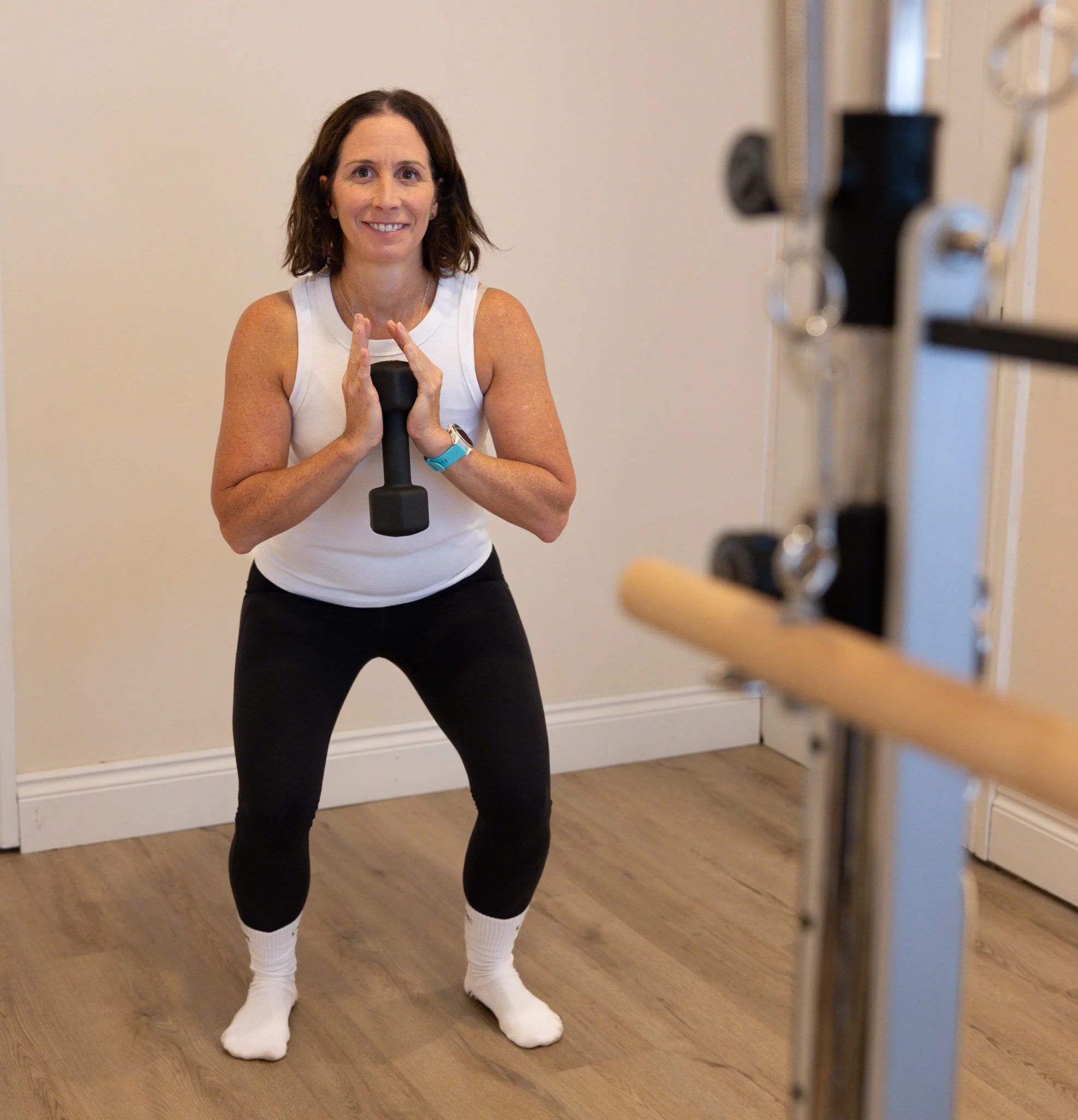
Meet your physiotherapistSupporting women in their health journey
Passionate about helping women to live well throughout their lives, we help reduce dysfunction as a barrier to exercise. I have previously worked as a specialist Musculoskeletal Physio-therapist for over 10 years in the NHS and in elite sport, and have extensive experience in managing many conditions.
From supporting adolescent elite athletes through to women on their perinatal journey or transitioning through the menopause – I am committed to providing evidence based, individualised care to empower women to take control of their health journey.
What to know before getting started
Not sure where to start? Reach out with any questions, or if you're ready to begin, schedule a free 15 minute consultation today.
-
No, a referral is not required to see me – you can book directly online using this link. However, some insurance providers may request one for reimbursement.
-
The number and frequency of appointments will depend on the individual person, their needs, goals and commitment to rehabilitation.
-
The first appointment usually includes:
A detailed discussion of symptoms, medical history, lifestyle, and goals
Assessment of posture, breathing, core strength, movement, and pelvic function
Education about pelvic floor anatomy and symptom management
Development of a personalised treatment plan
-
If during our initial chat it is deemed important to perform an internal assessment, full informed consent will be gained prior to this. There is still a lot we can do without performing one.
-
You can still attend an appointment whilst on your period. We do not need to perform an internal assessment if you would prefer not to; that being said – it does not bother me if you are and I am happy to do an assessment. It is always your choice.
-
Some people notice changes within a few weeks, while others require more time. Improvement often depends on consistency with exercises and addressing contributing lifestyle or movement factors.
-
No, although current evidence shows the benefit of isolated pelvic floor exercises for the improvement of pelvic floor dysfunction - I will approach each case on an individual basis and consider all factors that may be influencing your symptoms and offer advice that may support your rehabilitation. This may include lifestyle changes, whole body strengthening and activity modification to achieve your individual goals.
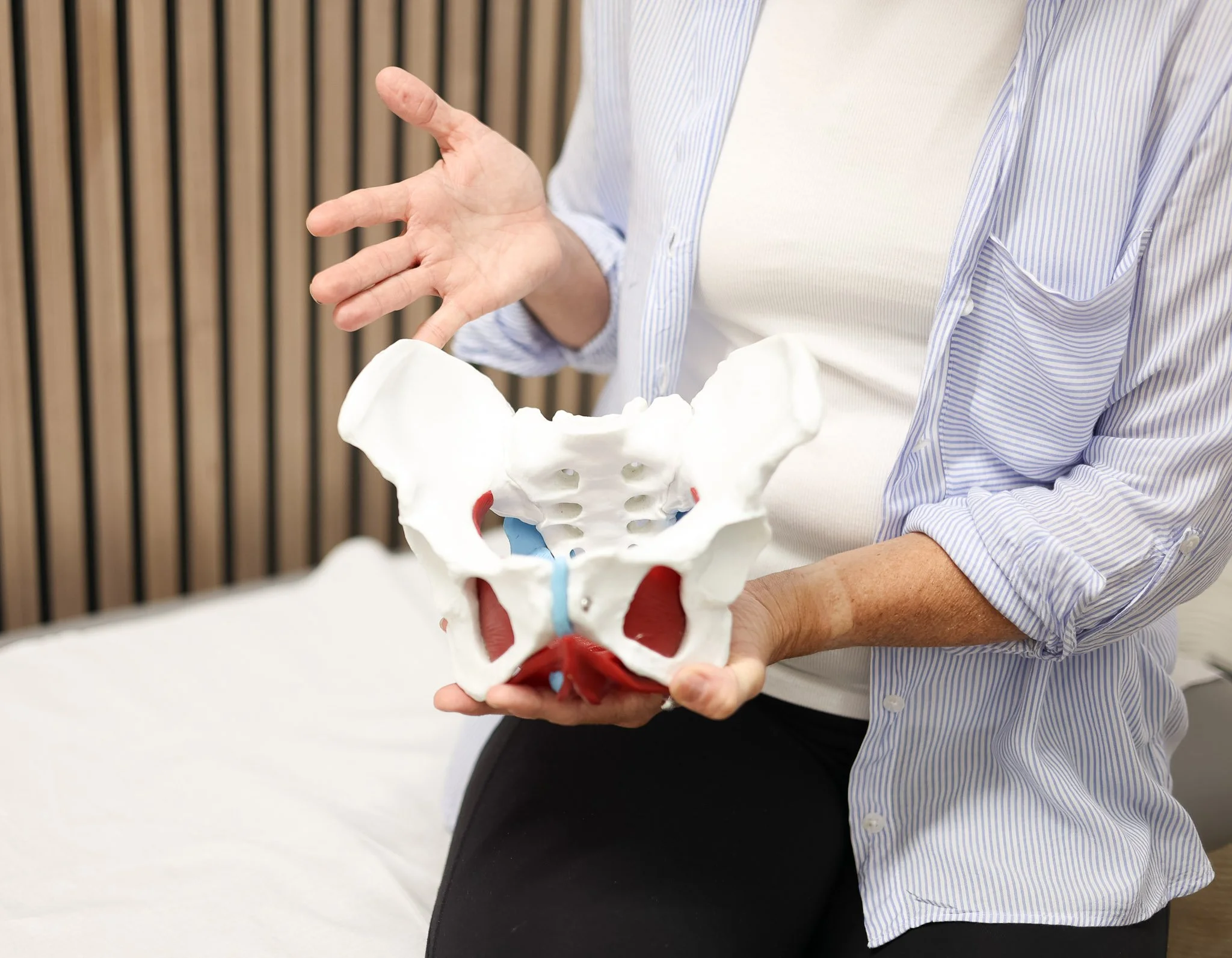
Pelvic Health Workshops
Looking for a workshop for your workplace or community? We also offer a six-weekly group series combining practical education and evidence-based guidance to better understand your body, prevent issues where possible, and manage symptoms with confidence.