
Support a range of specific conditions with pelvic health physiotherapy and improve daily comfort, function, and quality of life.

How I workPersonalised, evidence-based assessment and treatment
Pelvic pain care & treatment
Pelvic pain can affect many areas of daily life, including movement, exercise, intimacy, and overall wellbeing. I provide compassionate care to help identify and manage the underlying causes of pelvic pain.
What happens in a session?
My approach includes education, hands-on treatment, pelvic floor rehabilitation, breathing and relaxation techniques, and tailored exercise plans, to reduce pain, improve function, and feel more comfortable and confident in your body.
What conditions do I support?
I support a wide range of pelvic symptoms including:
Overactive bladder
Endometriosis-related pain
Persistent pelvic pain
Pain during or after intercourse (dyspareunia)
Bladder and bowel discomfort
Vulvodynia or vaginismus
Pelvic organ prolapse
Endometriosis support & management
Endometriosis is a common condition affecting 1 in 9 people in the UK, with diagnosis often taking up to 7 years. It is associated with pain, inflammation, scarring, and can also affect fertility.
What happens in a session?
Pelvic health physiotherapy plays an important role in managing endo-metriosis. During assessment, we will discuss how symptoms affect your daily life and explore how your goals and lifestyle may be influencing them.
We may also carry out a physical assessment looking at your movement, posture, breathing, and – with consent – a pelvic floor assessment. I then use this information to provide advice and support for ongoing management.
Do I need a doctors diagnosis before coming?
Endometriosis can affect more than pain alone, with symptoms also impacting bladder, bowel, and sexual function. Even without a formal diagnosis, pelvic health physiotherapy can help support symptom management and improve quality of life.
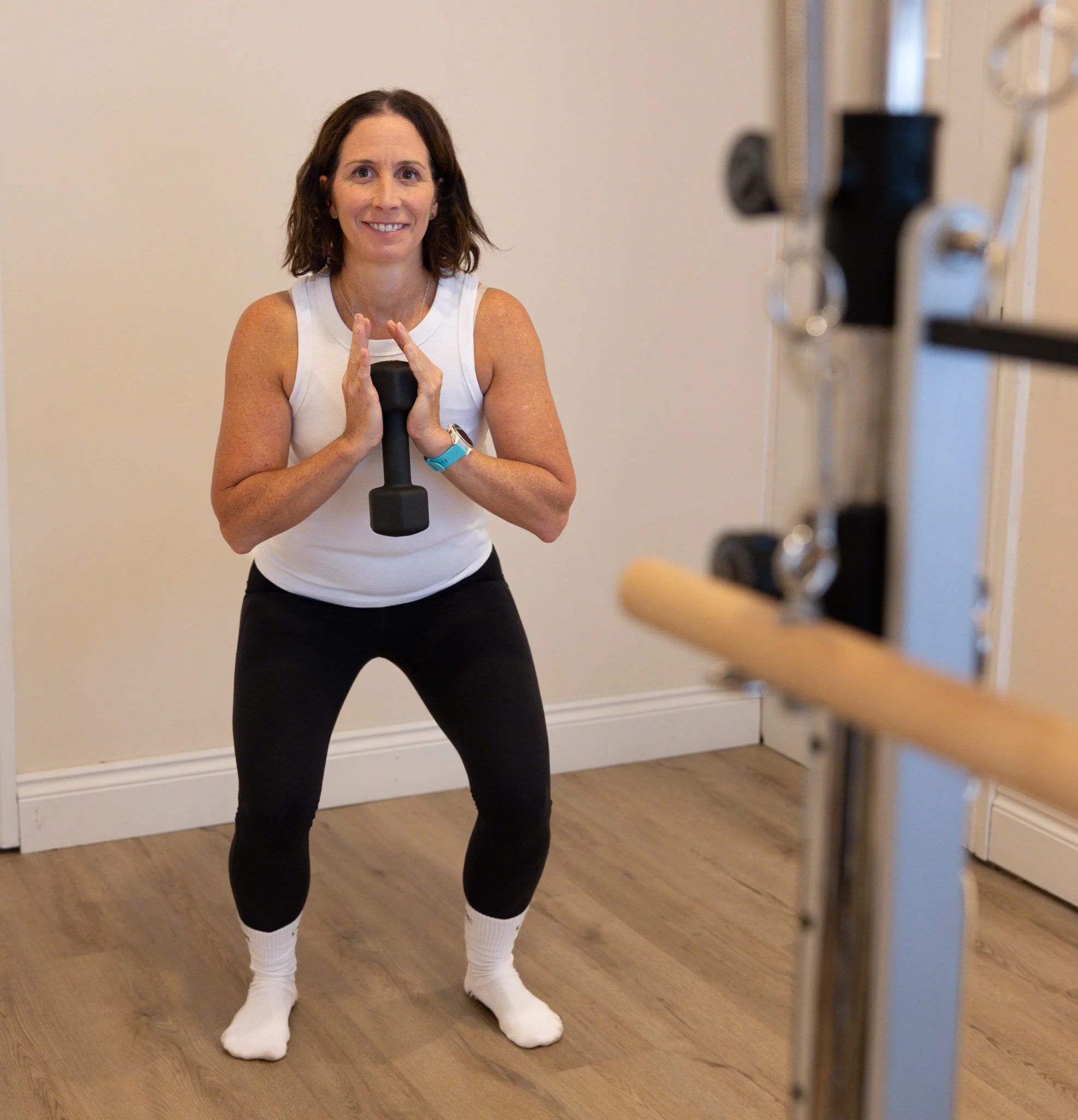
Meet your physiotherapistSupporting women in their health journey
Passionate about helping women to live well throughout their lives, I help reduce dysfunction as a barrier to exercise. I have previously worked as a specialist Musculoskeletal Physiotherapists for over 10 years in the NHS and in elite sport, and have extensive experience in managing many conditions.
From supporting adolescent elite athletes through to women on their perinatal journey or transitioning through the menopause – I am committed to providing evidence based, individualised care to empower women to take control of their health journey.
What to know before getting started
Not sure where to start? Reach out with any questions, or if you're ready to begin, schedule a free 15 minute consultation today.
-
No, a referral is not required to see me – you can book directly online using this link. However, some insurance providers may request one for reimbursement.
-
The number and frequency of appointments will depend on the individual person, their needs, goals and commitment to rehabilitation.
-
The first appointment usually includes:
A detailed discussion of symptoms, medical history, lifestyle, and goals
Assessment of posture, breathing, core strength, movement, and pelvic function
Education about pelvic floor anatomy and symptom management
Development of a personalised treatment plan
-
If during our initial chat it is deemed important to perform an internal assessment, full informed consent will be gained prior to this. There is still a lot we can do without performing one.
-
You can still attend an appointment whilst on your period. We do not need to perform an internal assessment if you would prefer not to; that being said – it does not bother me if you are and I am happy to do an assessment. It is always your choice.
-
Some people notice changes within a few weeks, while others require more time. Improvement often depends on consistency with exercises and addressing contributing lifestyle or movement factors.
-
No, although current evidence shows the benefit of isolated pelvic floor exercises for the improvement of pelvic floor dysfunction - I will approach each case on an individual basis and consider all factors that may be influencing your symptoms and offer advice that may support your rehabilitation. This may include lifestyle changes, whole body strengthening and activity modification to achieve your individual goals.
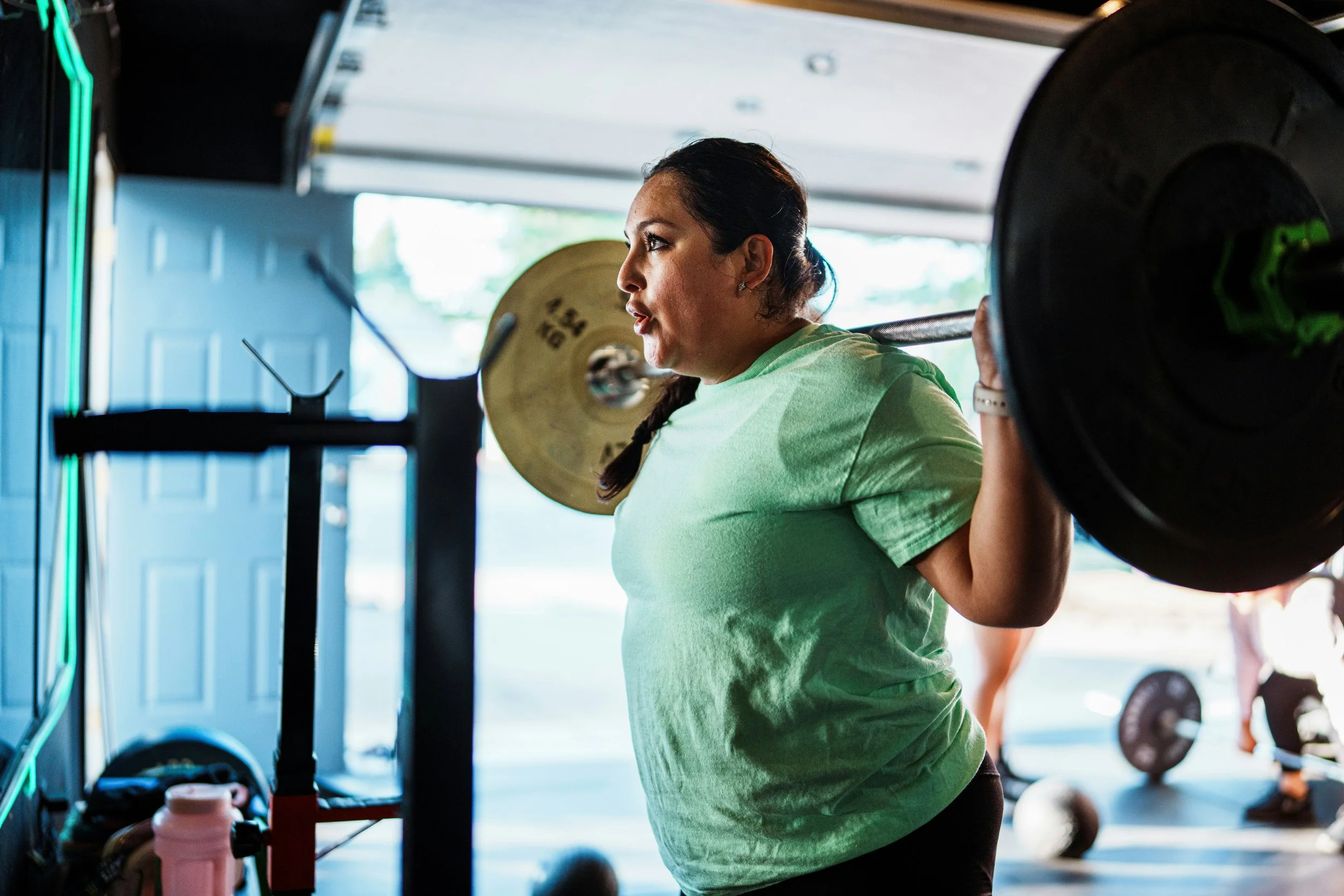
Coming soon 2026
Rhiset Strength Foundation
A supportive class for women new to strength training or navigating pelvic floor dysfunction. Led by a specialist Women’s Pelvic Health physiotherapist, focusing on safe, guided exercise to build strength, confidence, and control.